
Defence·Security·Country risk
Where signals become an assessment.
In 1452 an engineer offered Constantinople a cannon that would breach any wall then standing. The emperor had to price it against walls that had held for eleven centuries. He declined the line item; Mehmed paid four times the asking price. The city fell in 1453 to a procurement decision.
Read the strategic picture
An animated introduction to The Defence Lens.

Motion pauses when you move on to the reports.
Risk intelligence for those who cannot afford to be surprised.
Doctrine is written in peacetime. The bill arrives later, and it is never sent to the people who wrote it.
In the autumn of 1452 a Hungarian engineer named Urban walked into Constantinople and offered to sell the emperor a cannon.
He was specific about what it would do. It would be the largest gun ever cast, it would throw a stone ball weighing half a tonne, and it would bring down any wall then standing in the world. He named his price. It was, by the standards of a state, not large.
Constantine XI could not pay it. This is the part that is usually skipped. He was not a foolish man and he did not disbelieve the engineer. He was the emperor of a city with a treasury that had been empty for a generation, whose revenues had been signed away to Genoese and Venetian merchants, and whose walls had held every assault for eleven hundred years. He weighed a speculative weapon against a proven fortification and an empty purse, and he decided the walls would hold. Every one of those facts was true when he decided.
Urban crossed the water and made the same offer to Mehmed II, who paid him four times what he had asked and gave him a foundry.
The gun took fourteen months to cast. It was so heavy that sixty oxen were needed to move it and it could be fired perhaps seven times a day. On 6 April 1453 it began to fire on the Theodosian Walls. On 29 May the city fell, and the Roman Empire, which had existed in one form or another for fifteen centuries, ended on a Tuesday morning.
Constantinople was not lost to a better army. It was lost to a procurement decision — a line item declined by a man who had run out of money and out of time, in favour of an asset that had never yet failed him. The walls were not wrong. They were obsolete, and obsolete is a word that only exists in hindsight.
Every defence budget on earth is a version of that afternoon in 1452. Something is being declined right now because it is speculative and the existing thing has always worked. Somebody else is being offered the same technology at four times the price and is about to say yes.
Force is the oldest instrument of policy and the least honestly priced. Every capability has a cost. Every cost has a source. Every source has a weakness an adversary can find. This section follows that chain — from the line in a budget, through the factory and the supply route, to the border where the decision is finally tested.
A deeper view.
A considered selection from The Defence Lens.
 The Defence Lens / Featured research
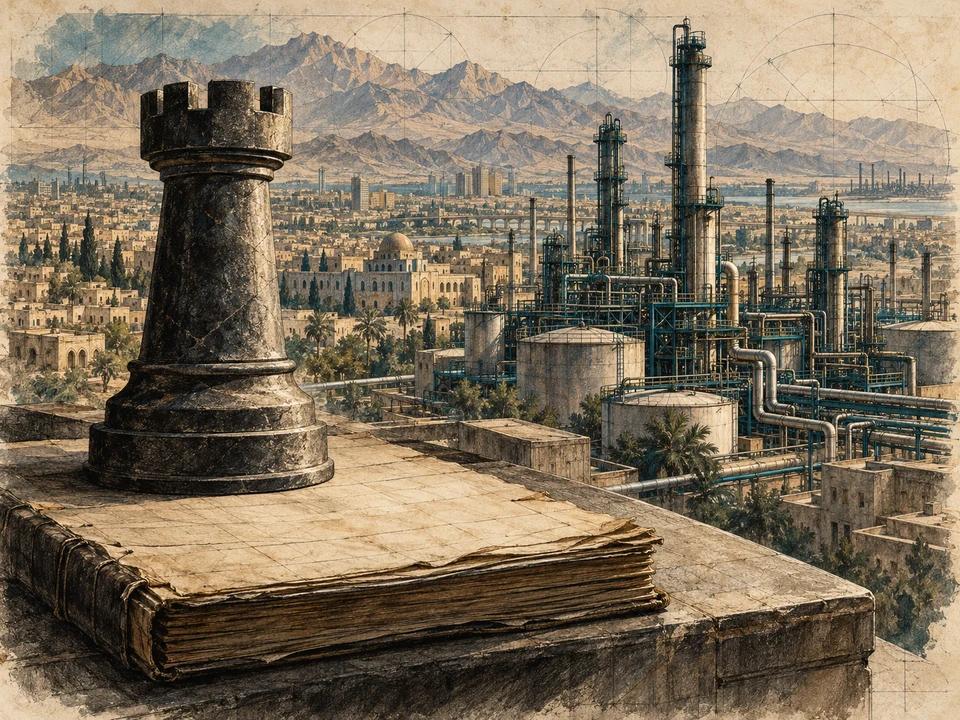
The Price of Staying: Iran, Strategic Endurance and the Cost of Conflict
A state can afford another month of operations while losing the people, capacity and political room needed for its next decision.
Read the reportAnduril: The Company Rewriting How Wars Are Won
The defence-industrial model is changing around production speed, software integration and the ability to replace losses. This institutional edition examines Anduril’s approach and the procurement lessons it raises for India.
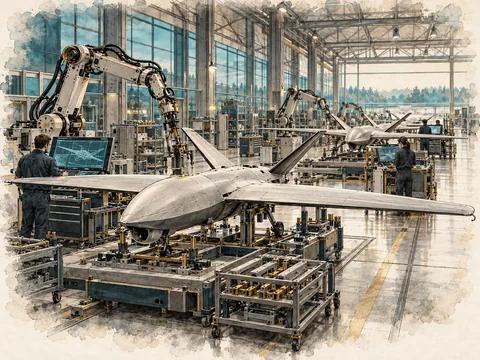
AI Threat Intelligence: When Automation Changes the Balance of Power
The strategic issue is what an automated system can do, who authorises it and whether the institution can stop and reconstruct its actions.

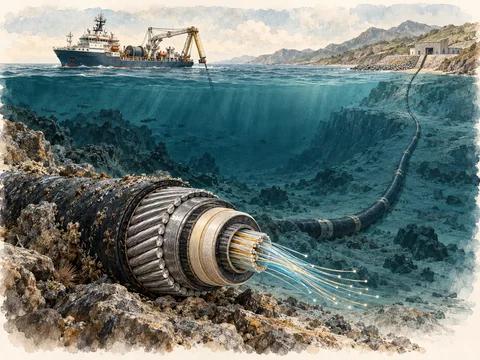
Deep Seabed Security: The Infrastructure Behind Digital Power
Digital power depends on a complete service path: cables, shore facilities, software, people and the ability to restore what fails.
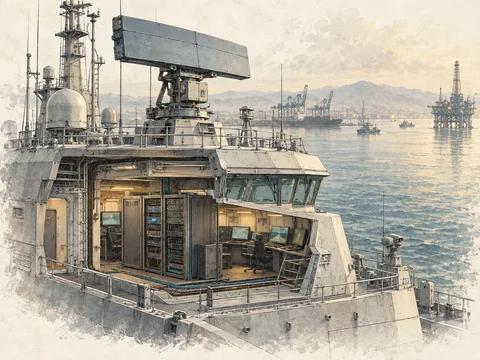
The Counter-Drone Layer: Detection, Compute and the Business of Defence
Cheap drones create demand for the systems that detect them and the infrastructure that processes their data. The report links maritime sensing with secure computing and explains why detection is not the same as defeat.
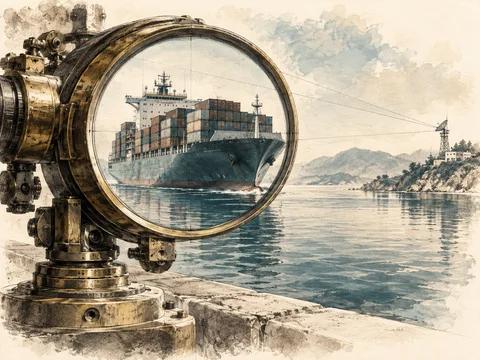
Maritime Intelligence: Turning Ships, Cargo and Data into Decisions
Vessel positions become valuable when they support a defensible judgement about cargo, supply, prices or exposure.
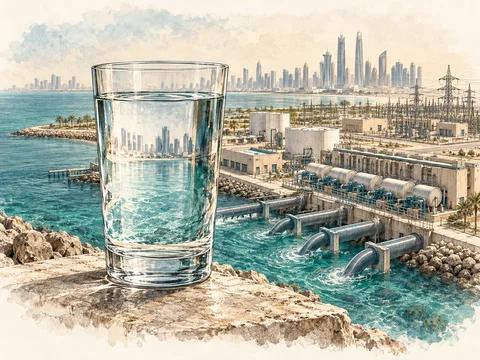
Water as a Weapon: The Gulf’s Infrastructure Risk
Water security changes the strategic meaning of an energy conflict. This March analysis follows the dependence between electricity, desalination and the cities that rely on both.
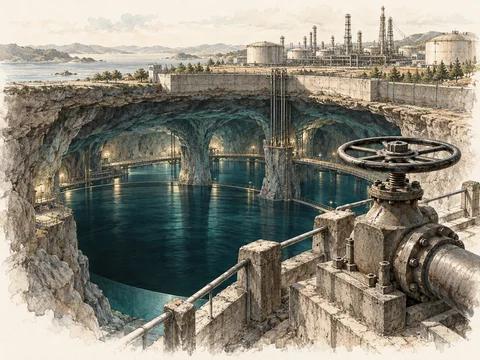
Eight Days of Cover: Energy Reserves and the Cost of Protection
Cheap attacks change the economics of defending refineries, ports and data centres. The report connects strategic stocks, counter-drone production and the costs that ultimately fall on asset owners.
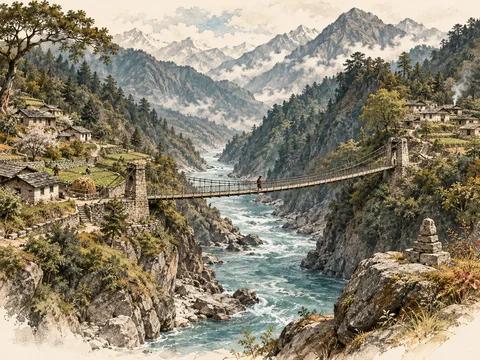
Walong and the Lohit Valley: People, Place and Border-Region Resilience
Walong is a place where people live as well as a place of remembrance. The research begins with that distinction and keeps its evidence boundaries visible.
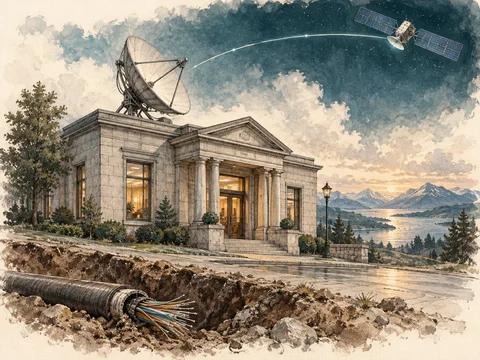
Satellite Banking Resilience: The Business Case for Staying Connected
The value of a satellite link is the banking work it preserves when ordinary connections fail.

Arctic and Greenland: Sovereignty, Resources and the Limits of Geography
A map creates strategic questions. It does not settle who has authority, whether a mineral project pays or whether a route works end to end.

Iran’s Industrial Base: Skills, Dependence and the Reality of Self-Reliance
Self-reliance is a production-system question: skills, inputs, testing, infrastructure and institutions must work together.
Defence·Security·Country risk
Continue through the complete collection in the Library.
Ideas worth turning over.
Four illustrated chapters, from 1950 to 2040.