
Macros·Rates·Currencies
One weather system, six countries.
In 2010 a heatwave ruined Russia's wheat crop and Moscow banned exports. Egypt, the largest importer on earth, had to keep bread cheap. The subsidy broke and the price at the counter moved. Within eighteen months a government had fallen.
A connected world
An animated introduction to Global Markets.

Motion pauses when you move on to the reports.
Capital crosses borders without a passport. So does the damage it leaves behind.
Russia was, in 2010, among the largest wheat exporters in the world. Egypt was the largest importer on earth, and roughly a fifth of what an Egyptian household spent went on food. Cairo had subsidised bread for decades, because every Egyptian government since the 1970s had understood what happens when it stops.
That summer a heatwave settled over western Russia and did not lift. By August the crop was ruined, and the government faced a choice between feeding its own population and honouring the contracts it had signed.
It banned exports. This was a reasonable thing for a government to do for its own people, and it was announced as exactly that.
The price of wheat in Chicago rose by roughly seventy per cent in six weeks. Chicago is eight thousand kilometres from the fields that burned and not one grain of Russian wheat is traded there. It moved because Chicago is where the world agrees what wheat is worth. Take a large exporter out of the market and you have not altered a single contract — you have repriced the entire curve, and every importer on earth is now buying against it.
Egypt was buying against it. The subsidy bill, already among the largest lines in the budget, became impossible, and the price at the counter moved.
In January 2011 the crowds came into Tahrir Square. They came for many reasons, most of them older and deeper than the price of bread, and it would be crude to say that a heatwave brought down a government. But the chant in the street was bread, freedom, dignity — bread was first, and bread was the one thing that had changed that year.
Within eighteen months the government had fallen, the canal had a new set of managers, shipping insurers had repriced the route, and a European refinery that had never heard of a Russian wheat field was paying more to move crude through a waterway it had used without incident for forty years.
The shock had crossed six countries. Nobody along that chain was doing anything unusual; each was responding correctly to what was in front of them, and the sum of correct local decisions was a government on the pavement and a refining margin gone.
This section follows those chains — what moved, why it moved, and where it will be felt next. The mine is always somewhere else. The bill is always local.
A deeper view.
A considered selection from Global Markets.
 Global Markets / Featured research
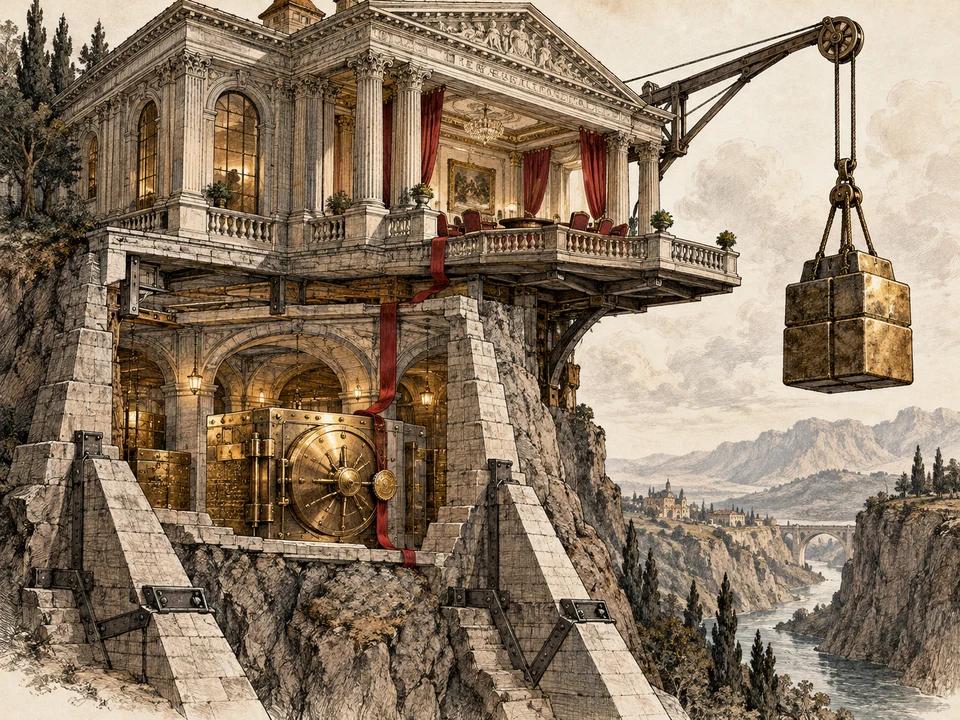
Credit Ratings and Equity Markets: Why Stronger Borrowers Can Disappoint Investors
Creditors and shareholders own different claims on the same business. Follow credit quality, discount rates and marginal flows to understand why their conclusions can diverge.
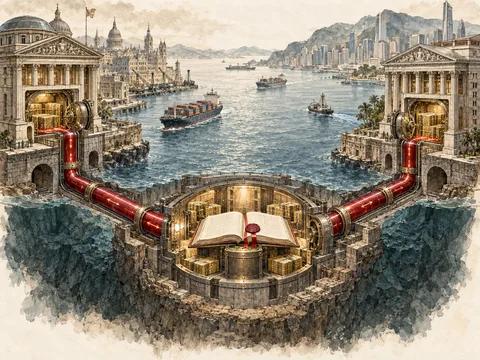
Read the reportCross-Border Syndicated Loans: Credit, Control and the Cash-Flow Chain
Owning the economics of a loan does not necessarily mean owning its enforceable claim or collections. Map creditor rights, intermediaries and cash before comparing headline yields.
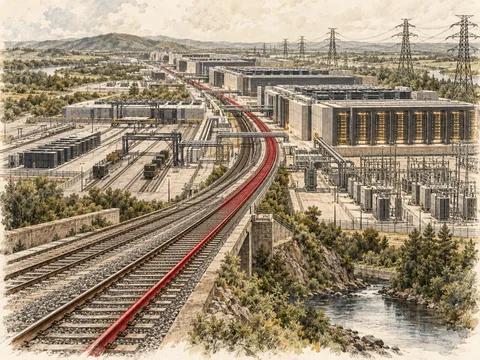
Built Like a Railway, Priced Like Software
AI’s physical infrastructure must be financed before its productivity gains arrive. This report connects that funding requirement with interest rates, equity leadership and the difference between the front and long ends of the yield curve.
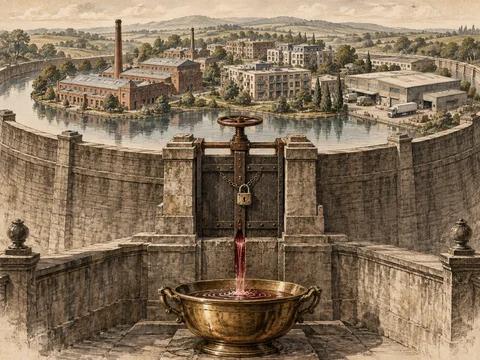
NAV Lending and Sponsor Finance: Power, Incentives and the Exit Bottleneck
A portfolio valuation cannot repay a loan until cash becomes accessible. This report follows repayment rights, cash sweeps and sponsor incentives through a delayed-exit scenario.
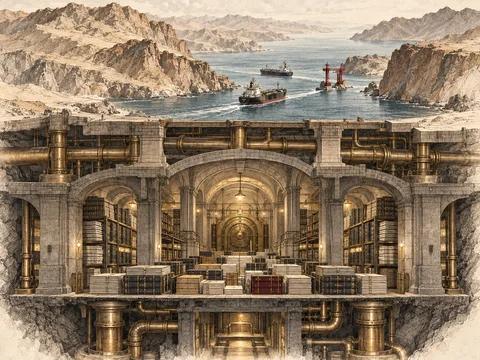
The Chokepoint Is Not the Crown: Hormuz and the Dollar
Control over a shipping route and demand for a reserve currency operate through different mechanisms. The report separates the immediate cost of interrupted trade from the slower evolution of financial depth, invoicing and reserve holdings.
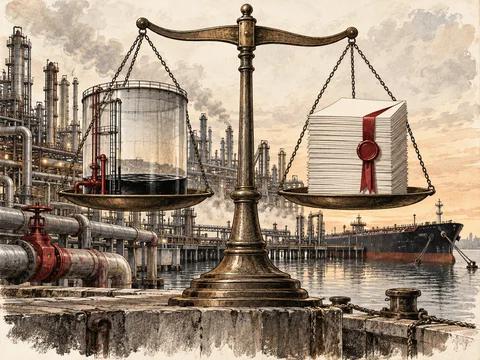
Something Is Off: The Gap Between Physical Oil and Futures
A detailed oil-market study follows a supply disruption through inventories, refinery constraints and demand loss. Its central question is when temporary buffers stop absorbing a shortage and prices must do more of the work.
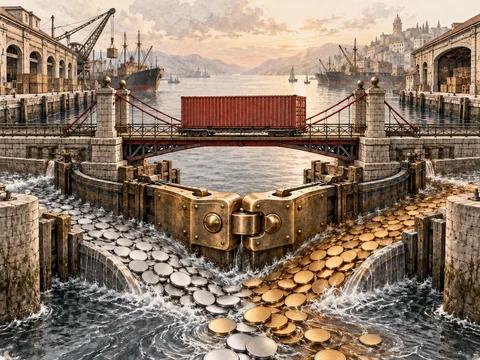
Currency Hedging: Forward Carry, Contract Choice and Commercial Control
An exchange-rate view is not a hedge policy. Start with the currency, timing and certainty of the cash flow, then compare the rights, obligations and costs of each instrument.
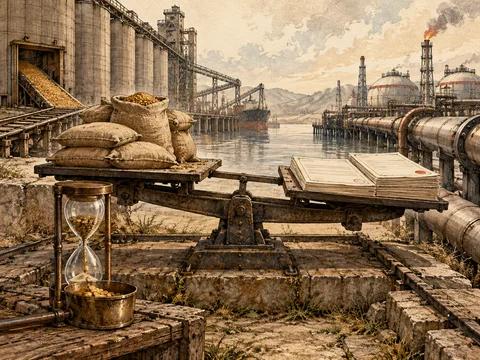
Commodity Hedging: The Hidden Cost of Basis, Roll and Liquidity
A hedge changes the shape and timing of risk. This report explains how local prices, contract rolls and cash margin can defeat a superficially correct market view.
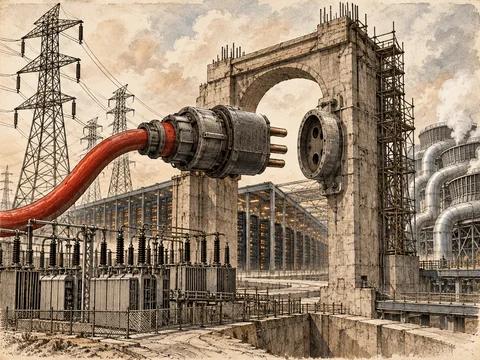
AI Infrastructure Economics: Power, Scarcity and the Cost of Ambition
Demand for computation creates a financing and delivery problem before it creates shareholder returns. Follow connected power, operating capacity and customer cash rather than chip-count headlines.
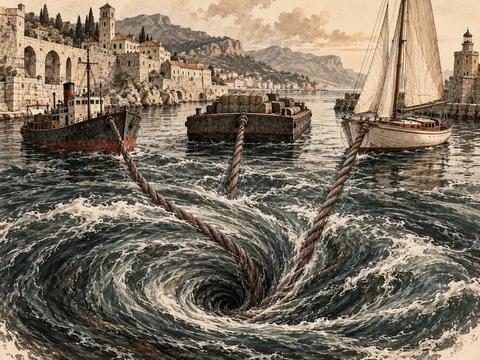
Portfolio Diversification: When Correlations and Defensive Assets Fail
An asset is defensive only against a specified loss mechanism. This report connects changing correlations, tail dependence and funding needs to practical portfolio choices.

Trust and Corporate Services: People, Responsibility and Pricing Power
The strongest moat may sit with the person accepting responsibility, rather than the team processing documents. Distinguish scarce fiduciary capacity from repeatable administration and acquisition-led scale.

Volatility Risk Premium: Fear, Insurance and the Price of Convexity
Investors may pay for protection precisely because it works when capital is scarce. The premium is conditional compensation for bearing that risk, rather than a promise of steady income.
Macros·Rates·Currencies
Continue through the complete collection in the Library.
Ideas worth turning over.
Four illustrated chapters, from 1950 to 2040.